The Solano Stroll is turning 50. Here’s how it got its start
A look back at 50 years of the Solano Stroll, from a small sidewalk sale to one of the East Bay’s largest street festivals.
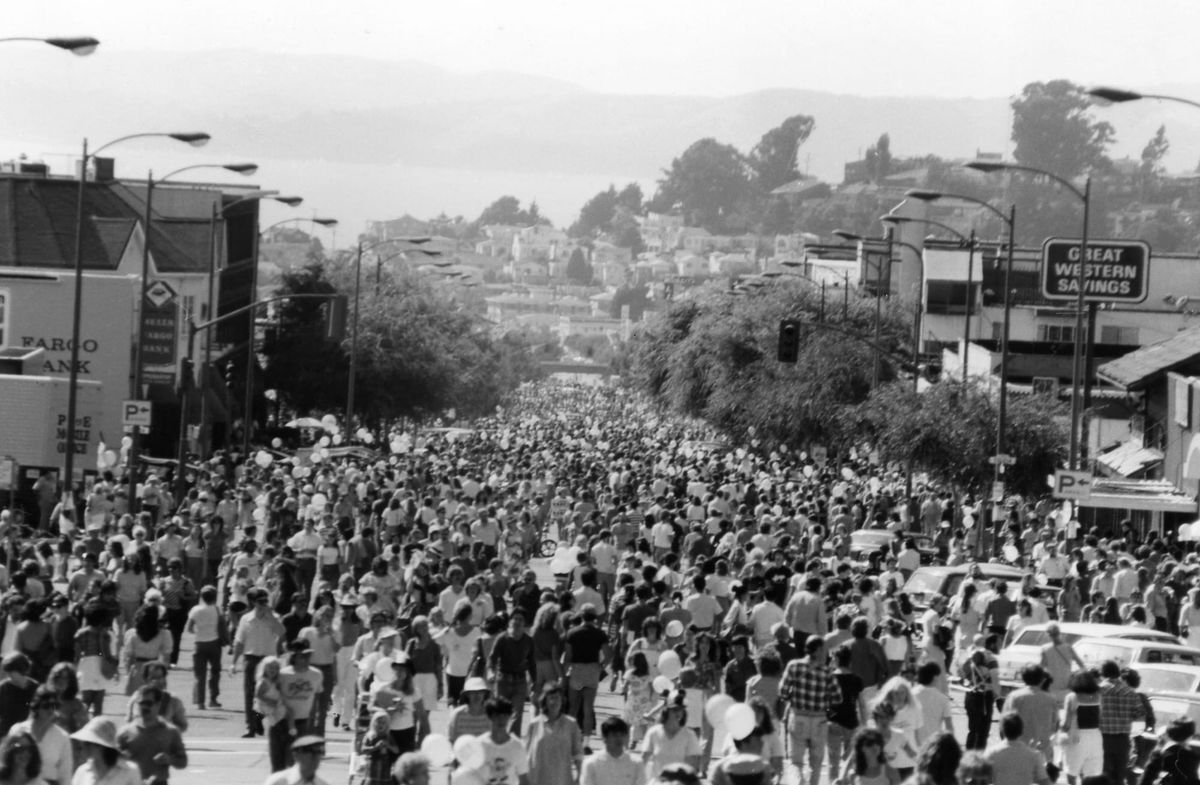
When Ira Klein and Lisa Burnham helped organize the first Solano Stroll in the mid-1970s, they probably never imagined it would last decades, growing from a small sidewalk sale to a major regional street fair recognized by the Library of Congress.
But this year, the Solano Avenue festival — stretching more than a mile from The Alameda in Berkeley to San Pablo Avenue in Albany — celebrates its 50th anniversary.
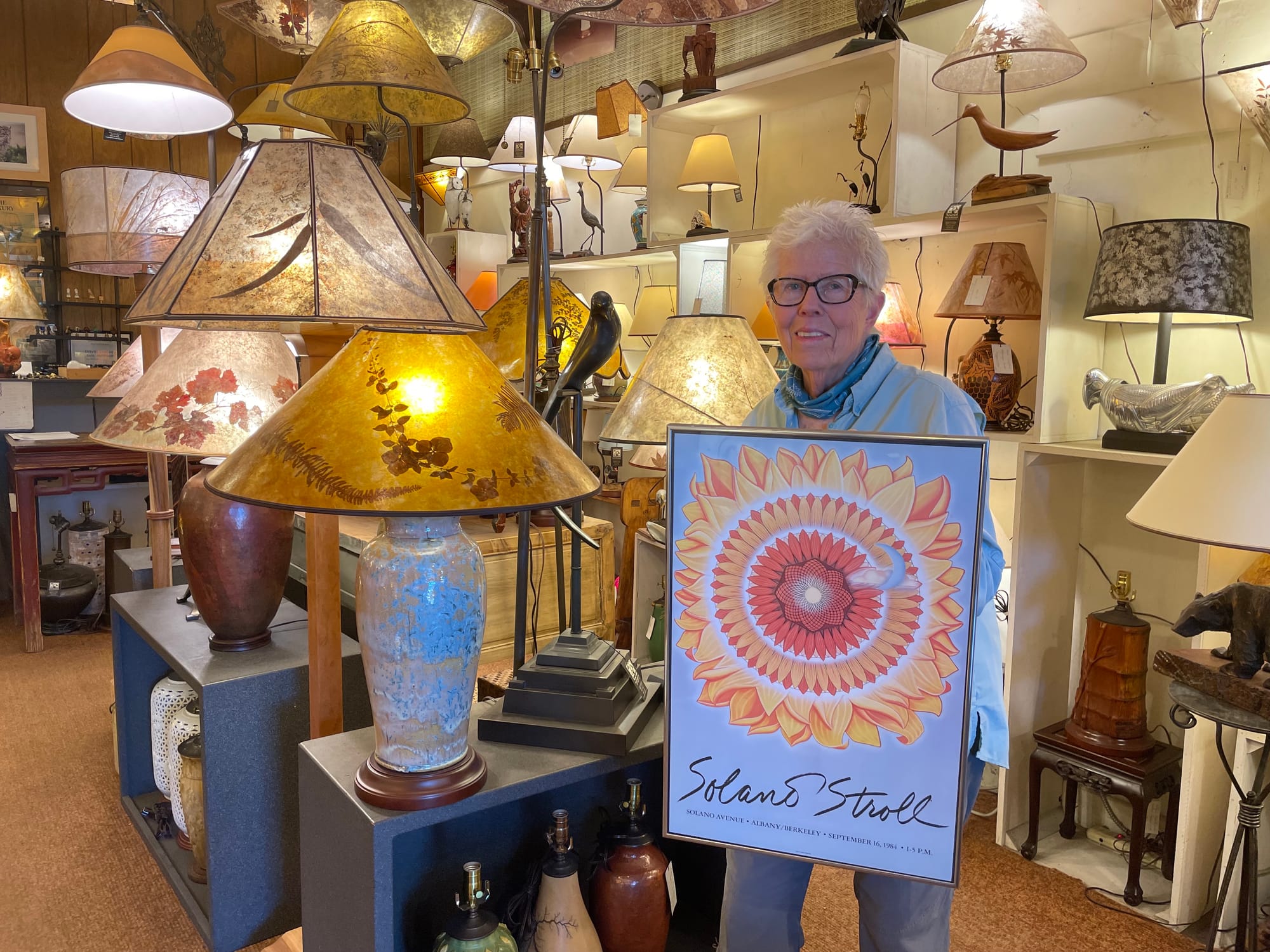
"It was never a goal (of the early organizers) for the event to last so many years," said Sue Johnson, who has owned a custom lamp store at 1745 Solano for 54 years and helped organize the event in its early years. "But people love the Stroll and they keep coming back."
The first Solano Stroll was a small evening event limited to the eastern end of the street's commercial district. The goal was to thank customers and acquaint more people with a few local merchants, including Klein and Burnham (both now deceased) and others in the Thousand Oaks Merchants Association.
But before long, jugglers, fire eaters, magicians, belly dancers, clowns and mimes had joined the event lineup and the Stroll began to expand.
The carnival atmosphere was likely linked to Klein who, as a young man in 1960s Berkeley, reveled in the festive counterculture of the Telegraph Avenue street merchants and performance artists.
Klein was also influenced by his cousin, George Schindler, a famous magician, comedian and actor he grew up watching perform at venues like Coney Island.
"The carnival entertainment of my father's childhood and his 1960s experience along Telegraph Avenue near UC Berkeley are two things that influenced him to organize the Solano Stroll in the 1970s," Klein's son, Gabe Klein, told the author in a previous interview.
After a few years, the evening gathering became a Sunday afternoon event.
By the early 1980s, Albany had joined the festival but the city was not initially sure about the costs associated with street closure. In 1981, the Stroll reached only to Santa Fe Avenue in Albany. But funds were eventually found, so the event could extend another half a mile to San Pablo Avenue.
As the Stroll grew in size, there were bumps along the way. Not all local merchants were happy with the influx of outside vendors and booths (which helped fill in gaps where no activity existed on the street), and some neighbors grew tired of the crowds and commotion.
Loud music and alcohol sales caused other controversies. In the 1980s, the Solano Avenue Association was formed and new rules were adopted, including a ban on alcohol sales and an increased emphasis on high-quality entertainment and art.
The Stroll continued to expand and by 2000 it had grown to such significance it was designated an official "Local Legacy" by the Library of Congress (nominated by then-Congresswoman Barbara Lee). The Stroll then became part of the permanent collections at the library's American Folklife Center.
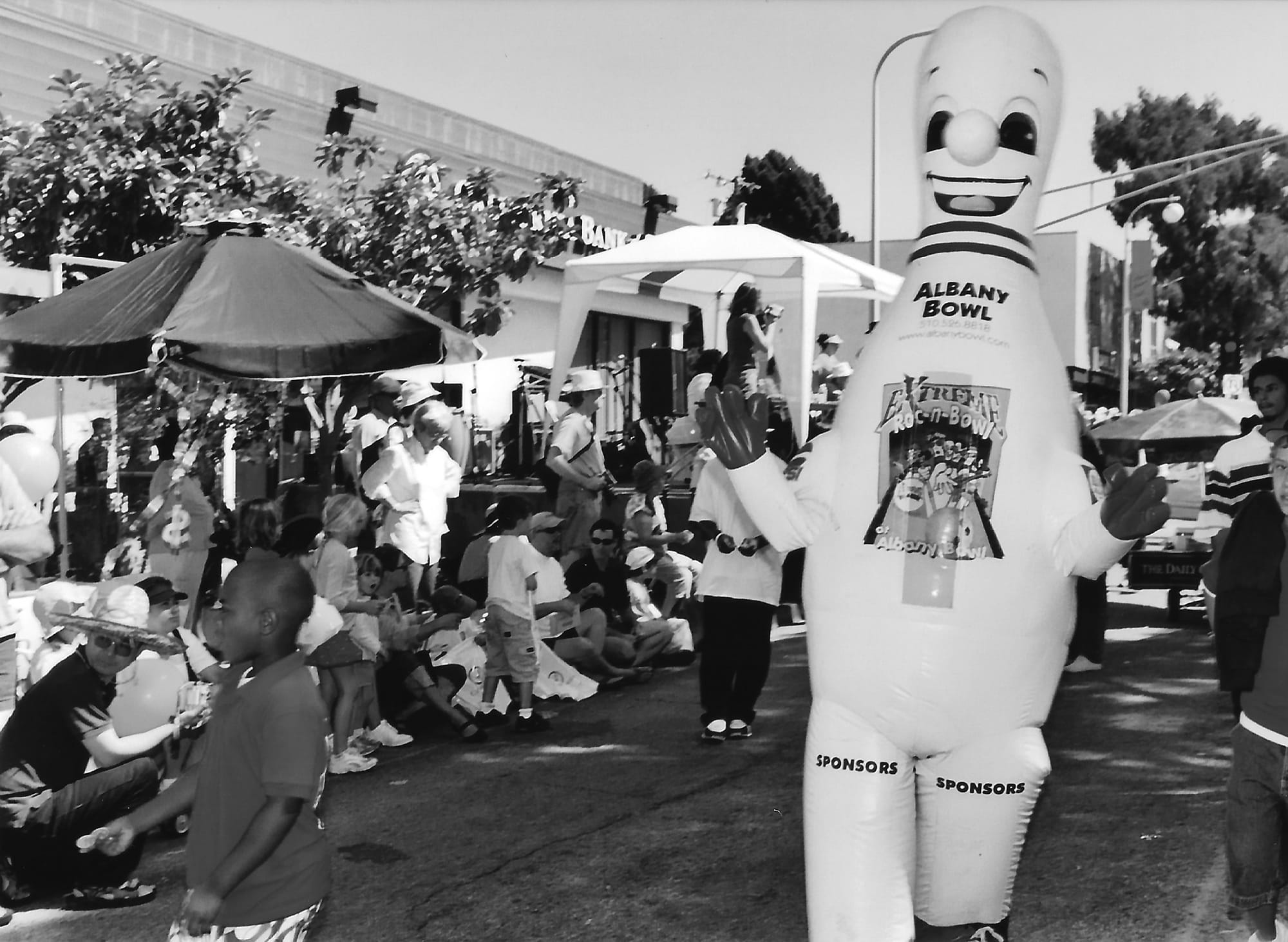
Today, the street fair attracts up to 200,000 people and features more than 400 vendors, including entertainers, food booths, government and nonprofit agencies, artisans and makers.
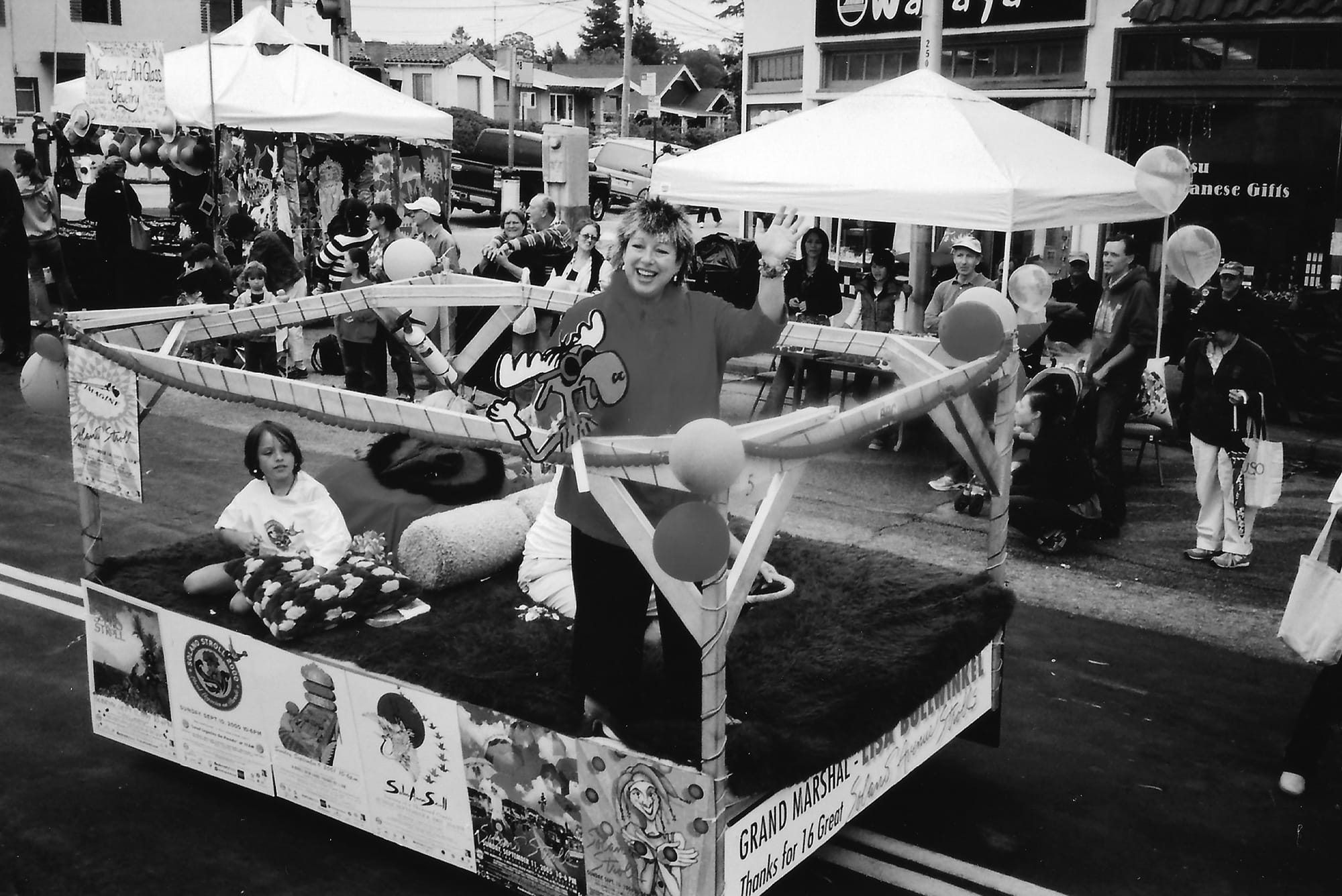
The morning parade, now scaled back in size from prior years, continues to be a highlight for locals. This year's parade grand marshal is Sonny Han of Payn's Stationery, a business that has existed at 1791 Solano for more than 70 years.
Other owners/leaders of longtime local businesses who have been honored in the Stroll parade include Frederika Adam (Albany Sauna & Hot Tubs, first opened in 1934), the Accornero family (Oaks Jewelers, since 1948), Sue Johnson (Sue Johnson Custom Lamps & Shades, since 1972), Amy Thomas (Pegasus Books on Solano, since 1983), Denise Grimshaw (Arrow Glass, since 1949), John Nakamura (Albany Subaru, since 1992), Janet Snidow (Mane Alley salon, formerly The Powder Box, since the 1950s) and Gail Drulis (Albany YMCA, since 1921).
Previous Stroll grand marshals have also included well-known figures such as Save the Bay co-founder Sylvia McLaughlin and entertainer/activist Wavy Gravy.
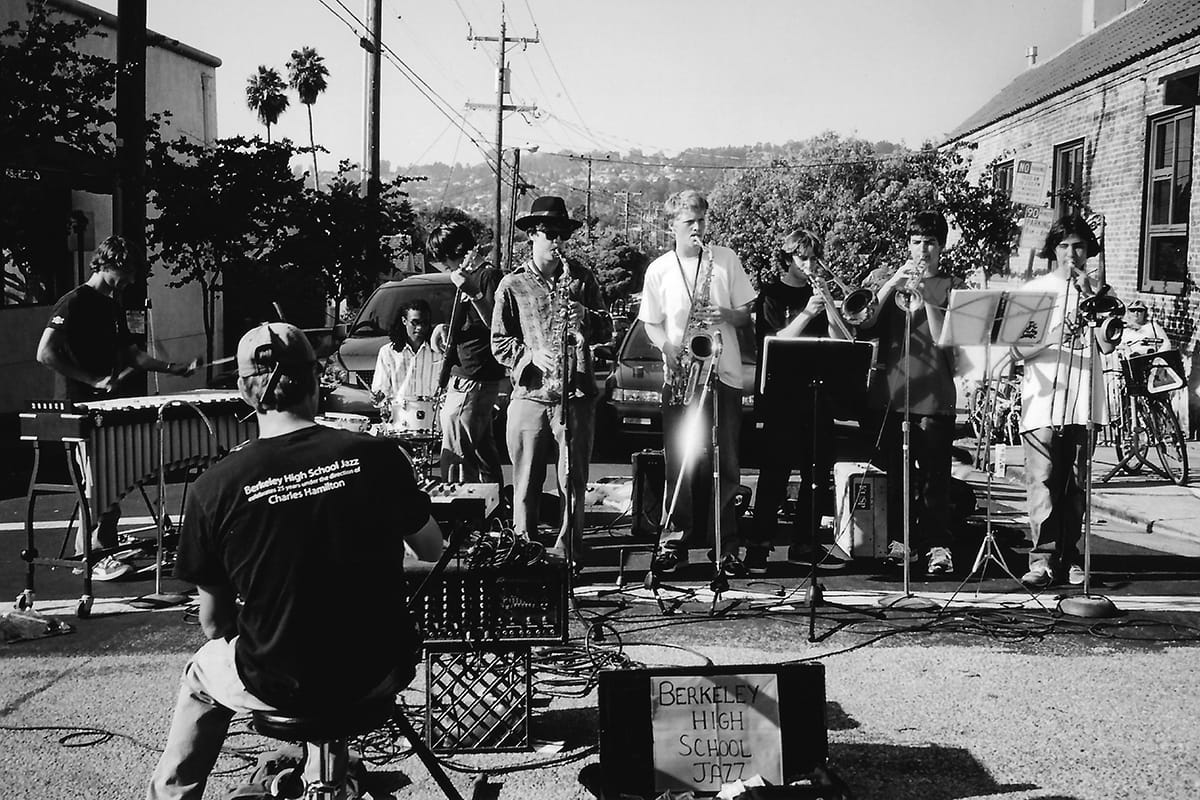
As the Stroll's 50th birthday approaches, funding for the event — now known as the largest street festival in the East Bay — has become more uncertain, with increasing costs and city budget constraints.
Johnson — who celebrates the Stroll each year with a store treasure hunt and prizes — hopes the event will continue.
"There have sometimes been irritating aspects of the Stroll," she said (like loud noise from music groups right outside her door, which she resolved with event organizers), "but I love that many people and kids will visit my store for the first time. I think the Stroll creates great goodwill for the city and community."
Karen Sorensen is a local historian who has authored two books and numerous articles on Albany history. As a member of the Albany News Project, she donates history articles to Albany Scanner in support of the publication.
Have questions for Albany Scanner, or want to share story tips? Here's how to reach us.