Albany school finances take center stage at candidate forum
Candidates highlighted deficit spending, the potential loss of Golden Gate Fields tax revenue and facility needs.
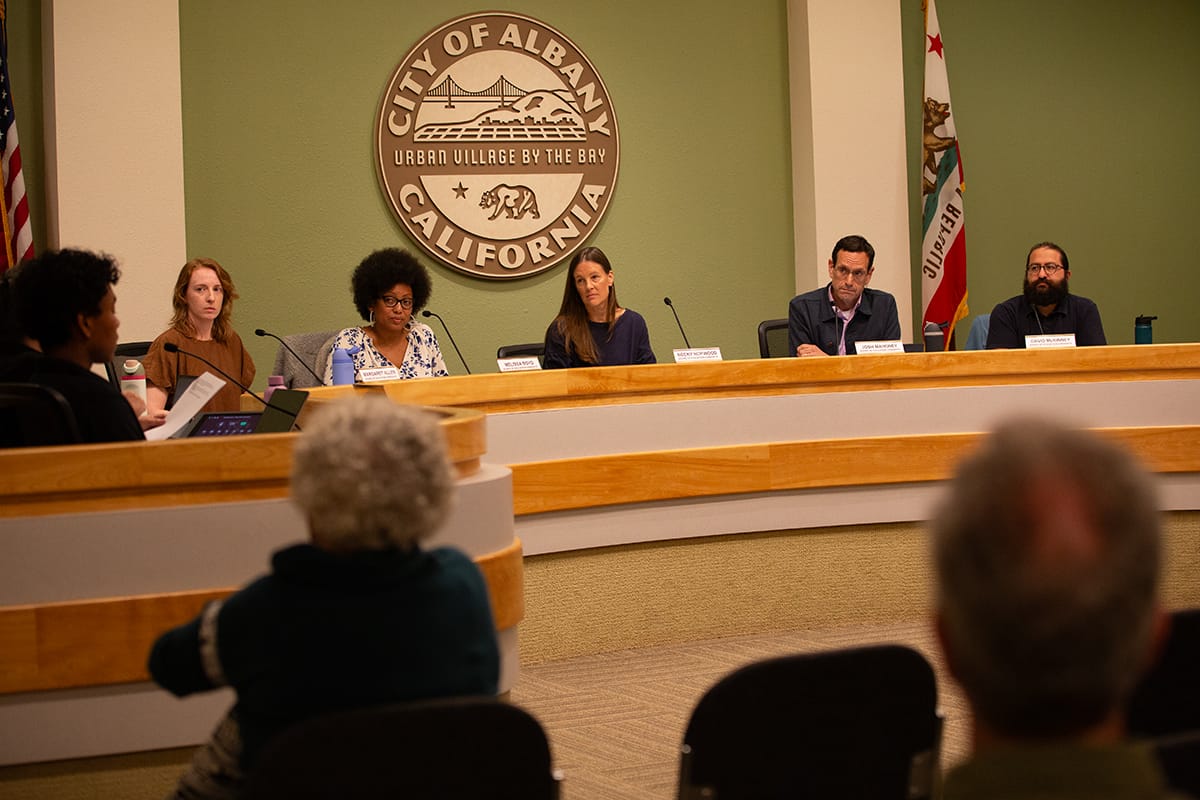
Albany school board candidates outlined ways to tackle budget gaps, strengthen oversight and ease difficult school transitions at a forum last week.
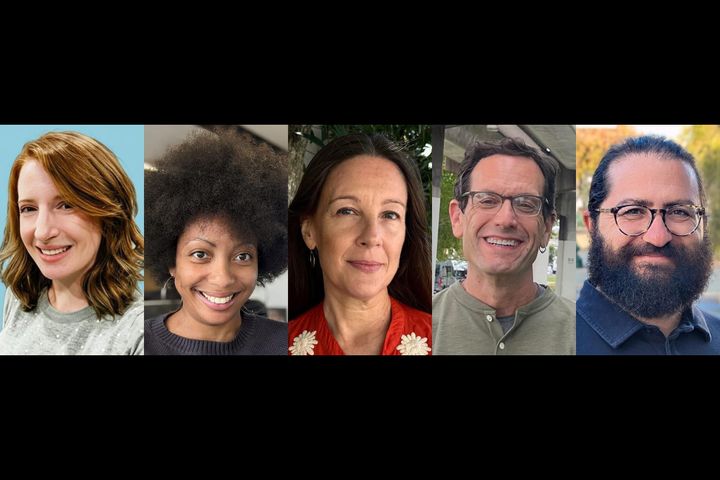
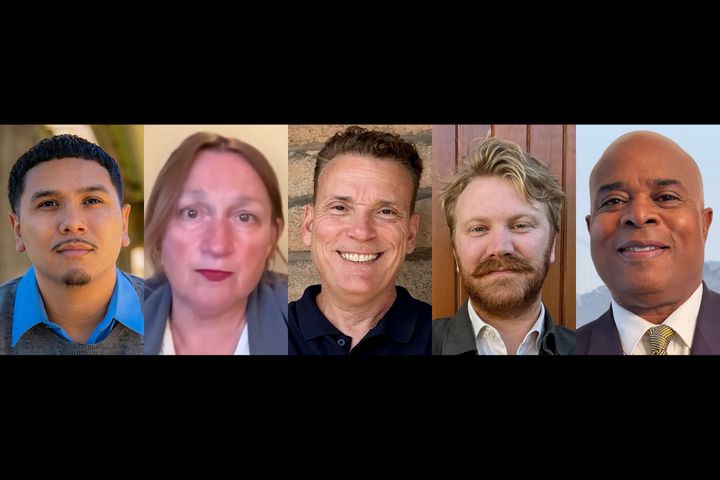
Five candidates are vying for four seats in November: Margaret Allen, Melissa Boyd, Becky Hopwood, Josh Mahoney and David McKinney. Boyd, Hopwood and Mahoney are seeking re-election.
Three seats carry four-year terms, while the fourth candidate elected will serve the remaining two years for the seat held by Boyd. (She previously served on the board and was appointed in 2025 to fill a vacancy left by another trustee.)
The Oct. 1 forum, hosted by the League of Women Voters of Berkeley, Albany and Emeryville, revealed considerable agreement about the district's challenges. Distinctions emerged in how candidates proposed addressing them.
How would they address the funding gap?
Albany Unified School District has maintained relatively stable enrollment and higher-than-state-average test scores, but it faces budget pressures from deficit spending and the loss of tax revenue if Golden Gate Fields becomes a public park.
All but Boyd, who said her focus is on equity, cited fiscal stability as a top concern.
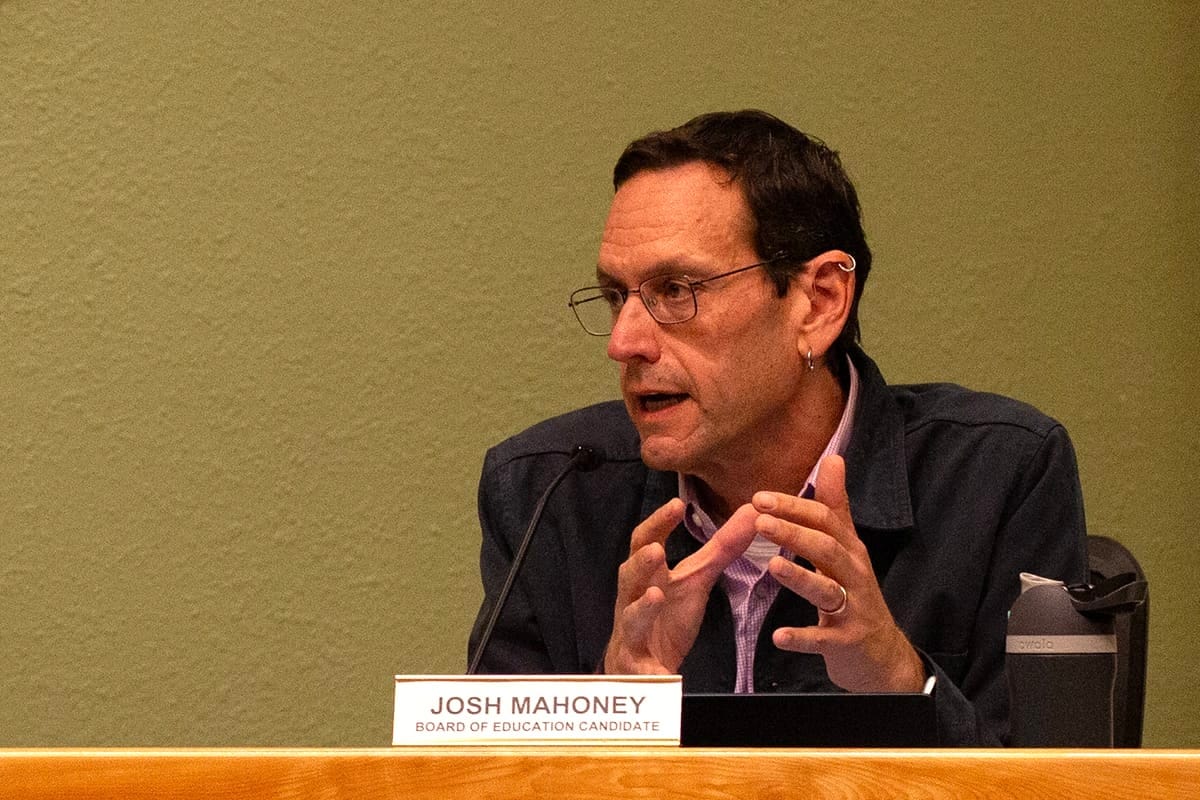
Mahoney said "fiscal discipline" would keep Albany in control of its own destiny and said the district would need to advocate for state funding to help improve facilities and recoup any losses related to the Golden Gate Fields transition.
He said AUSD could lose up to $800,000 annually — equivalent to five or six teachers — as a result of the deal, and suggested seeking help from the state and a potential revenue share with the East Bay Regional Park District to help fill the gap.
McKinney advocated changing the state's funding system from average daily attendance to enrollment.
"The students who aren't attending are the ones we need the most support in educating," he said, "so I think it's kind of a backwards incentive."
 Allyson Aleksey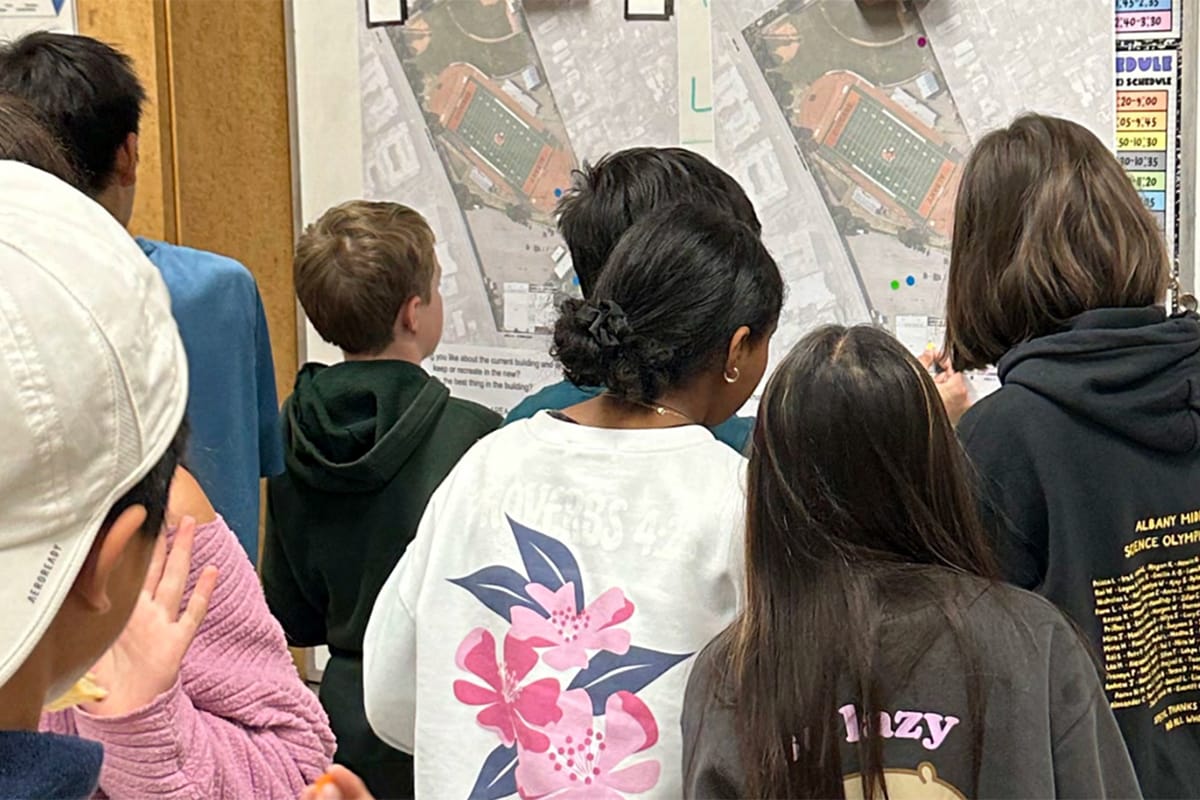
McKinney said Albany may need to look at changes to local taxes to support the school district it wants to have, and that the community would need to be part of those decisions.
"We'd have to put everything on the table," he said. "Hopefully, we can find a way through, but it won't be by just rubber-stamping some decision."
Hopwood agreed on the issue of local control and supported advocating for changes to the state's school funding formula. She said AUSD would likely put additional school taxes before voters in the future, while continuing discussions with state representatives.
"We also need to make sure that we can pay our teachers enough to keep up with the cost of living," she said.
She mentioned that California is currently "withholding billions of dollars in Proposition 98 funding," now the subject of lawsuits designed to "force the state to relinquish those funds."
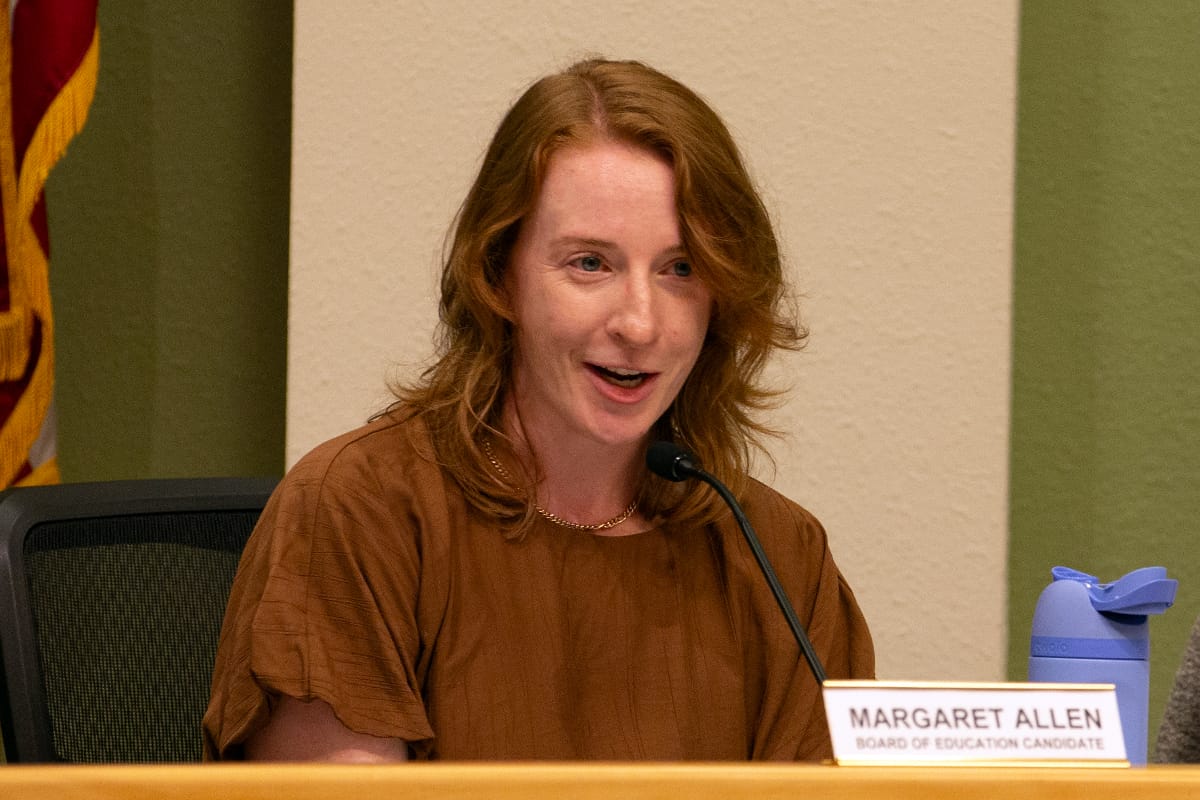
Allen, who works as a financial executive and served on AUSD's Citizens' Bond Oversight Committee, said her priorities include fiscal strength and a balanced budget.
She emphasized keeping available dollars in the classroom, "finding any matches in the revenue where we can," and helping families understand the district's funding sources, including local taxes, state funding and community contributions.
She mentioned a recent Measure L forum where more than 500 people showed up, in person and online, to offer input on bond spending.
"The district has done a really good job of hearing from the community members of where those limited funds should be spent," she said.
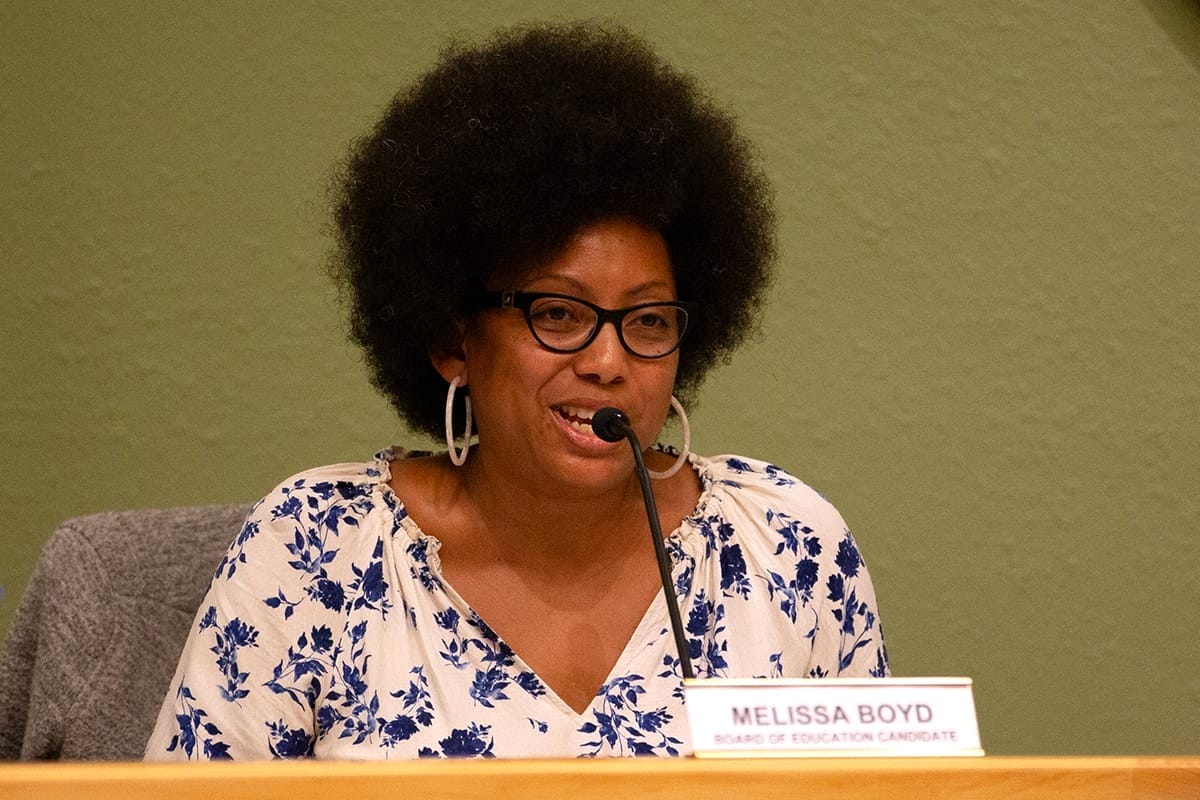
Boyd identified two potential solutions: increasing attendance, which helps determine state funding, and strengthening services for students with disabilities so fewer need outside placements.
She pointed to the district's new attendance and family engagement coordinator as one way to improve attendance. Providing more special education services locally could also reduce the expense of outside placements, she said.
Boyd said cuts should be kept away from student services, particularly those supporting vulnerable students, to the greatest extent possible.
"When it's difficult to close the gaps, we have to listen to each other, listen to our students, our families, our educators," she said. "And try to always center equity."
"It doesn't mean that it's the only thing that I would be focusing on," Boyd added. "But I have found that it is really helpful to have a guiding north star that centers you."
Where could Albany Unified improve?
In response to an audience question about successes and shortcomings, candidates praised the district's literacy efforts, use of student data, community engagement and stability through leadership changes. They also identified areas for improvement.
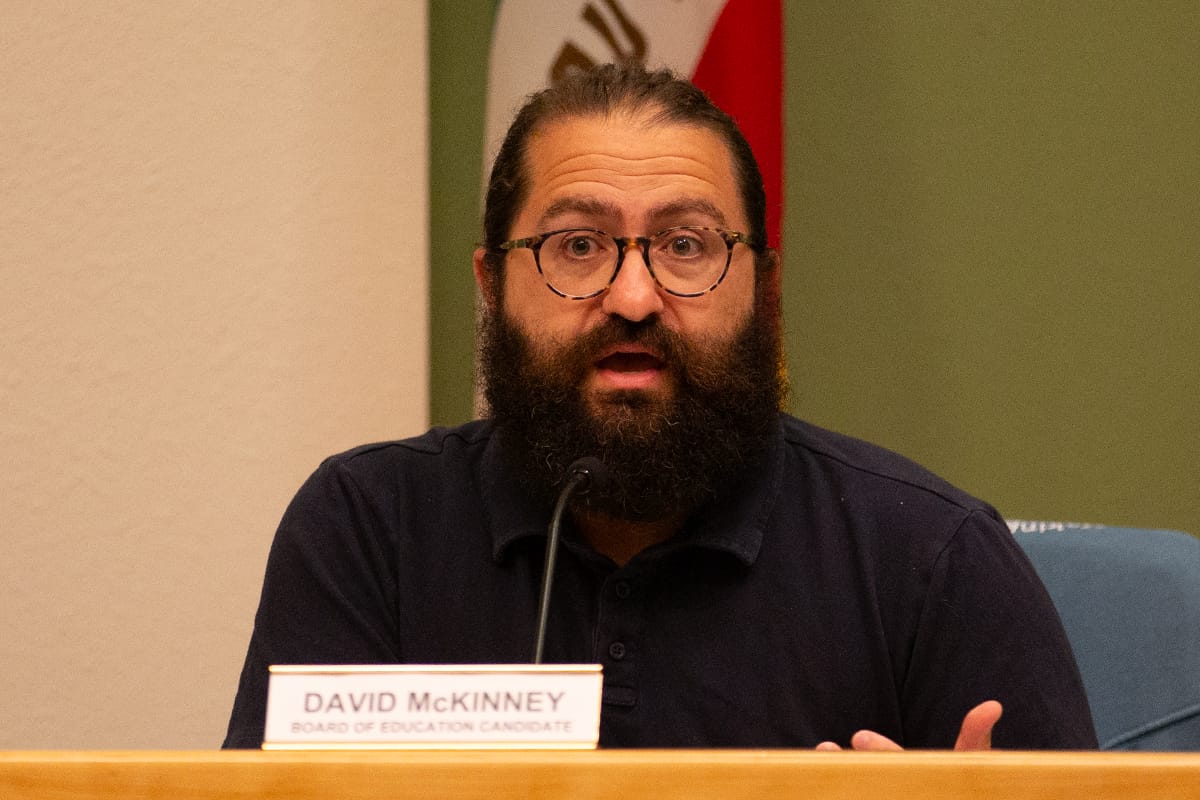
McKinney said the district should review its math curriculum and improve how it measures whether students feel a sense of belonging. He also said the district cannot continue drawing on reserves to cover deficit spending because those funds will eventually run out.
Boyd said the district had been making more data available more often about different student populations. She called for clear student achievement goals and closer monitoring of progress toward them.
Allen emphasized careful planning for student relocations amid the "chaos of construction" as the district begins to work on Measure L projects. Finding a safe place for preschool students to learn, particularly given rules around teacher ratios, would be a key issue, she said.
Mahoney said the district should build on its progress in reading instruction by bringing a similar focus to math, including for historically marginalized students "where it's been hard to see progress."
Hopwood focused on the board's accomplishments, including maintaining stability and keeping the focus on students "during a period of significant transition" for the board and AUSD. She did not identify a specific area for improvement.
Helping students navigate school transitions
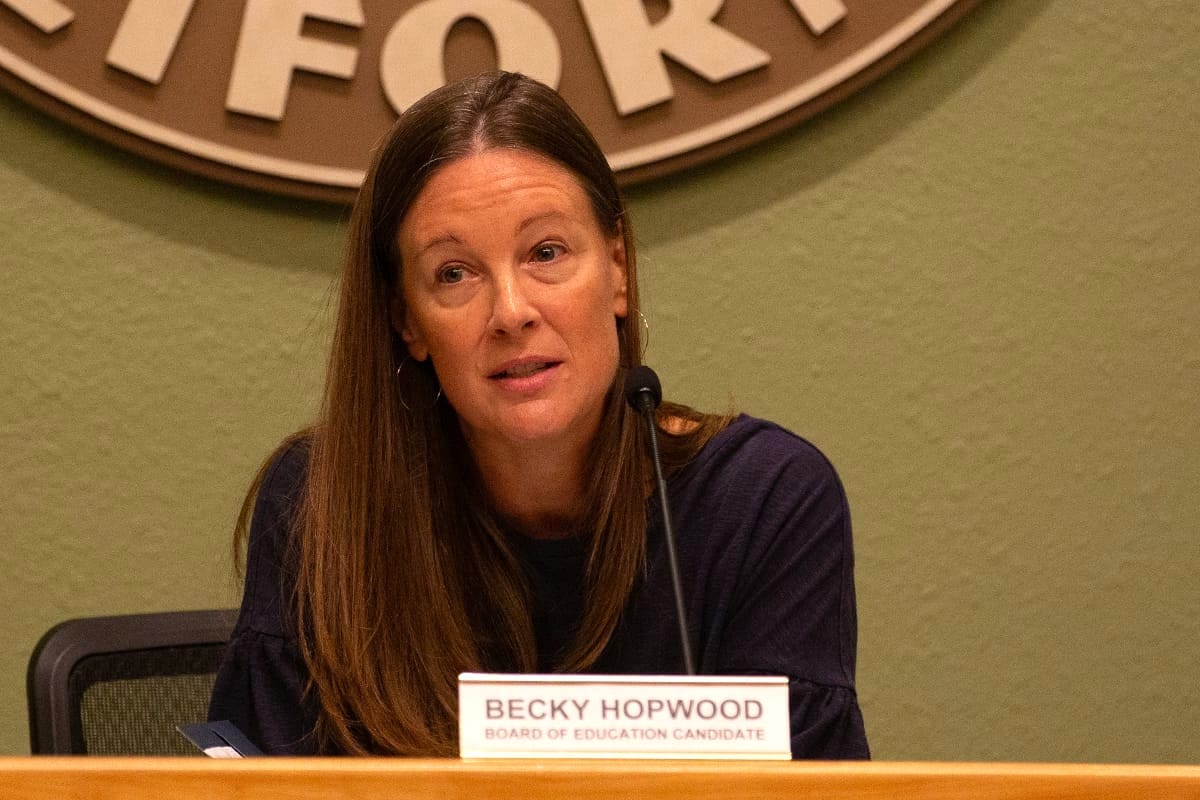
An audience question about students "experiencing a shock" in the transition from eighth to ninth grade, and between graduation and college, prompted several concrete suggestions about how to smooth the way.
Hopwood pointed to the district's work developing math pathways across grade levels as a model for smoother transitions. She said "multidisciplinary teams" across school sites could also help.
"I'd like to hear more student voice, as well as families, to figure out what they need," she said.
Boyd agreed on the need to hear from students "as much as possible" about ways to support them, including counseling services.
She said she'd heard concerns about the jump from accelerated math in eighth grade to the ninth-grade level, and that the district had been working to "focus on that continuity."
Allen proposed extending grade school "buddy" programs into higher grades and inviting UC Berkeley students to help mentor high schoolers or share about their experiences in other ways.
 Allyson Aleksey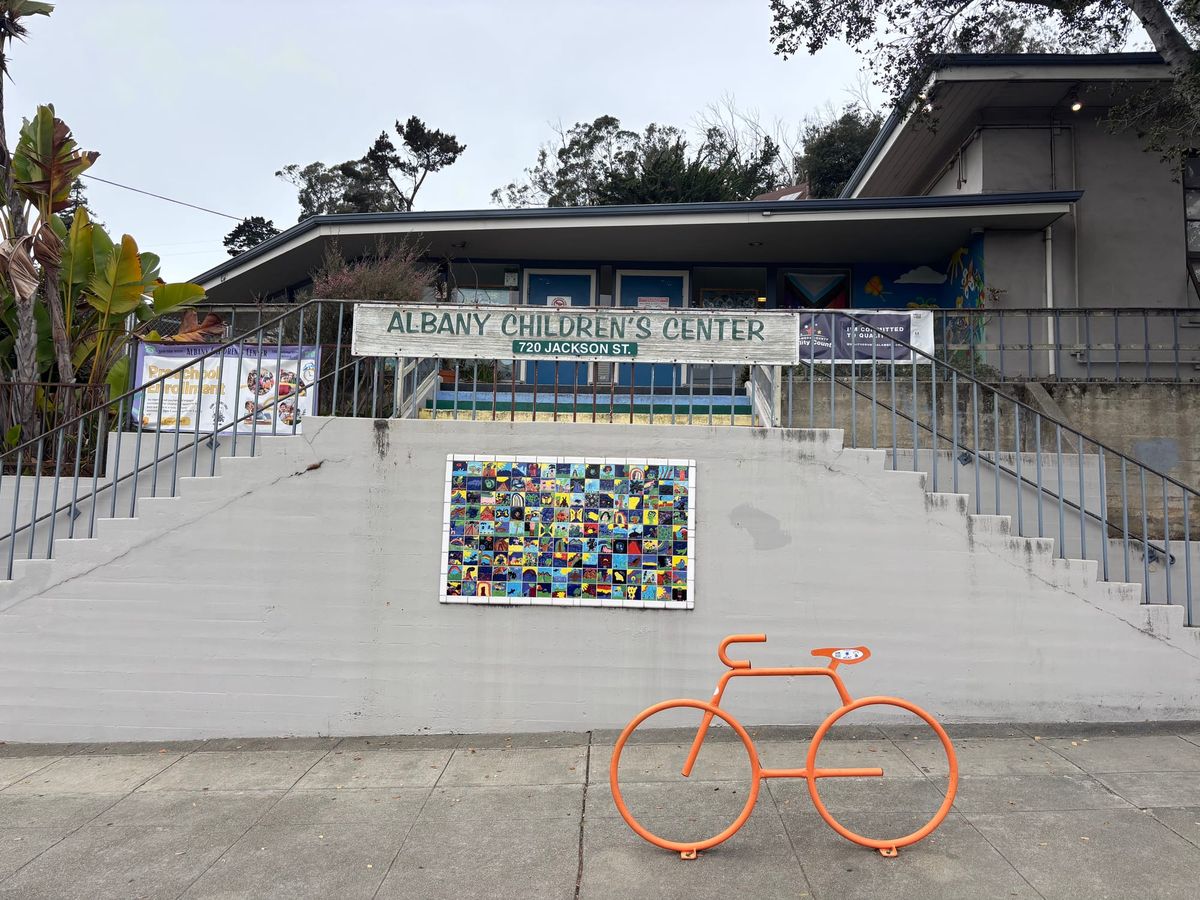
McKinney supported mentoring across school levels, along with career and technical education pathways and work experience to prepare students for life after graduation.
"I'd love to hear from the students about what it is about that transition that is difficult for them so we can think through ways to make that smoother," he said.
Mahoney suggested a more structured continuum of expectations from middle to high school for skills such as planning and organization. He too supported strong career pathway programs.
On that note, he said he'd driven by the high school earlier that day and gotten worried when he saw an ambulance outside.
"Luckily, it was the EMT program at the school," he said. "I saw a bunch of students out there learning about real work that goes on after school."
Watch: LWVBAE 2026 Albany school board candidate forum
Have questions for Albany Scanner, or want to share story tips? Here's how to reach us.
Emilie Raguso contributed to this report.