Albany mayor urges yes votes on all 6 ballot measures: Op-ed
Mayor Peggy McQuaid makes the case for six measures addressing city finances, infrastructure and housing.

Editor's Note: Albany Scanner publishes guest essays from community members on issues of concern. Today's piece was written by Albany Mayor Peggy McQuaid, who grew up in Albany and was first elected to the City Council in 2014. She was reelected in 2018 and 2024.
The Albany City Council unanimously voted to place six measures on the November ballot, each addressing a specific need facing our community. From protecting city revenue and updating outdated tax structures and zoning requirements to improving street lighting and caring for our street trees, these measures reflect the Council's commitment to planning for Albany's future, maintaining essential services, and responding to concerns raised by residents.
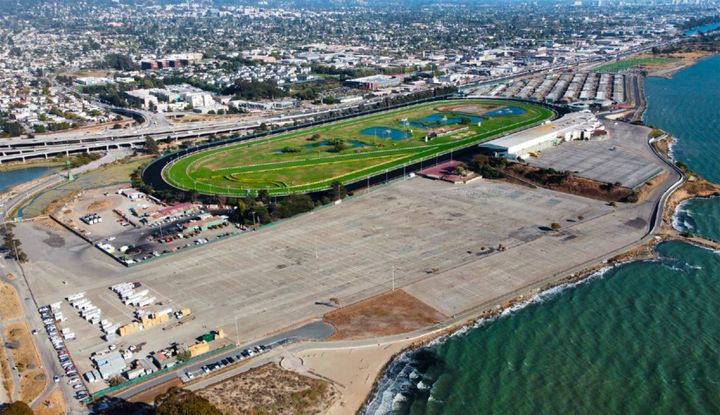
Responding to the potential sale of Golden Gate Fields
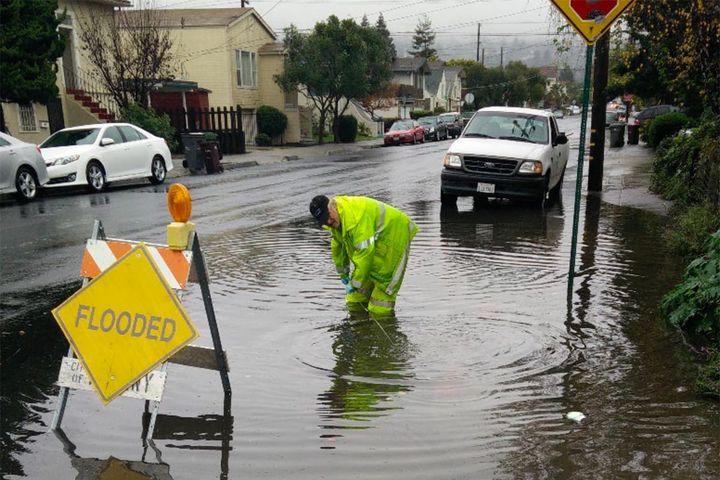
If Golden Gate Fields is sold or transferred to a public entity, the property could become exempt from property taxes. To prepare for this possibility and help protect city revenue, Measures P and Q update the taxes that fund street and storm drain maintenance, emergency medical response, and fire protection, helping preserve these essential services for Albany residents. The tax increases under Measures P and Q would take effect only if the Golden Gate Fields property becomes tax-exempt. Together, they would cost an average of $12 more per month, with full relief for very low-income households and a 50% reduction for low-income households. These measures also immediately close a loophole by which for-profit businesses in University Village have not had to pay these taxes since they started operating almost a decade ago.
A simpler, more equitable approach to business license tax
Albany's business license tax structure has not been updated in decades. Although state law limits how the city can levy these taxes, Measure R proposes a simpler, more equitable approach based primarily on gross receipts. This approach, widely used throughout the Bay Area, would better align a business's tax contribution with its revenue and reduce taxes for more than seven in ten businesses while raising additional revenue to support city services.
A more equitable real property transfer tax
Measure S updates Albany's real property transfer tax by creating five tax tiers based on a property's sale price or value transferred, raising additional revenue to support city services. To start, properties selling for less than $1 million would pay a lower rate, while properties in the next tier, up to $1.4 million, would remain at the current rate. Properties selling for more than $1.4 million would pay a higher rate, asking owners of higher-value properties to contribute more toward city services. The dollar thresholds for the tiers would be adjusted annually.
Read more about elections on Albany Scanner.
Make Albany streets safer and more sustainable
Residents have raised concerns about inadequate street lighting and the unsafe conditions it can create for people walking, rolling, and biking. Measure T responds to these concerns by funding street lighting maintenance and improvements. It also supports the care and maintenance of Albany's street trees, helping preserve those already in place while creating opportunities for new plantings. Together, these investments can make our streets safer, greener, and more welcoming. Measure T costs $12/month for the average house and $3/month for the average condominium, again with relief for households of less means.
Consistency in zoning throughout the city
Measure O gives the City Council authority to amend zoning in R-1 (residential) areas without requiring majority approval from neighborhood voters, following public hearings and procedures required by state law and the Albany Municipal Code. This would establish a consistent process for zoning amendments throughout the city and support community goals for increasing housing availability and quality.
Thoughtful, measured responses to Albany's needs today and tomorrow
Each measure reflects careful consideration and analysis by city staff, consultants, and the City Council, informed by public discussions and community concerns. Together, they provide Albany with tools to address both immediate challenges and long-term needs.
I, and the rest of the Albany City Council, ask Albany voters to vote YES on all six measures, as recommended by the League of Women Voters and the Alameda County Democratic Party.
Your support will help maintain essential services and ensure Albany remains a safe, welcoming, and financially sustainable community.
Learn more on the city website.
Albany Scanner will periodically publish guest essays from community members on issues of interest or concern. Submit your ideas to Albany Scanner.
Have questions for Albany Scanner, or want to share story tips? Here's how to reach us.