Albany joins opposition to proposed Oakland coal terminal
Coal trains could pass through Albany on their way to the terminal, raising concerns about air pollution and public health.
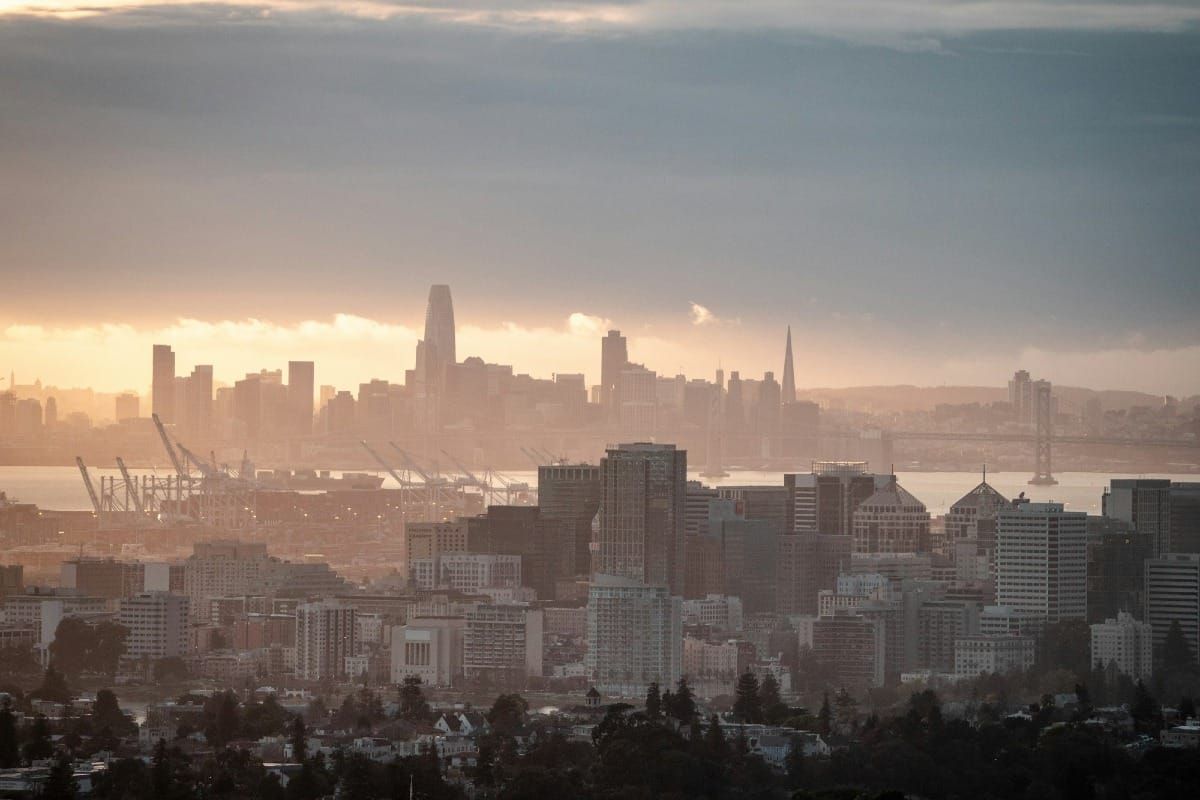
Grassroots environmental groups are mobilizing to block a proposed West Oakland coal-export terminal that could send coal trains through Albany, raising concerns about harmful pollution along the rail corridor.
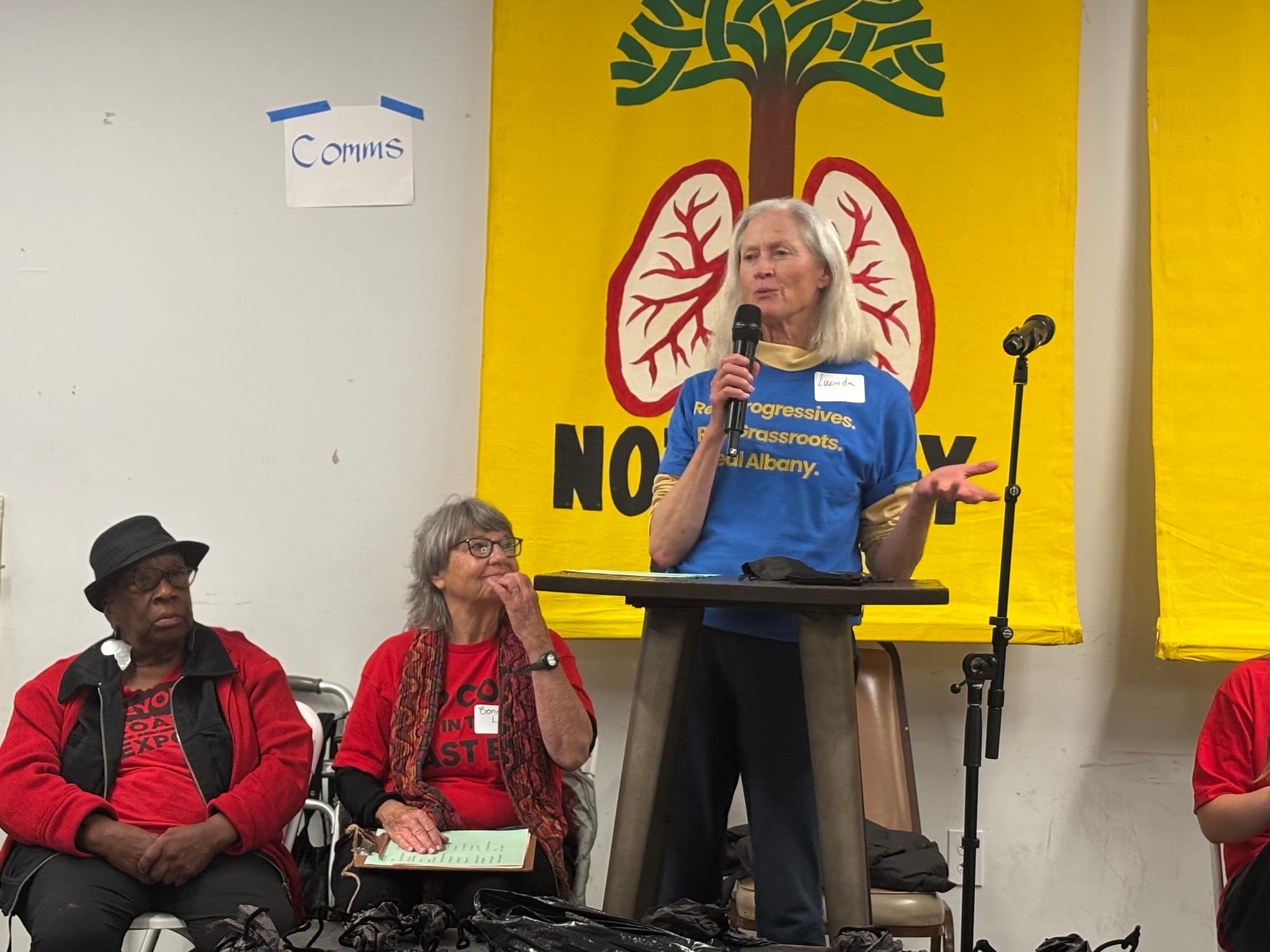
At a community meeting Thursday in Albany, organizers with the No Coal in Oakland campaign urged residents to rally against the project, which has faced more than a decade of opposition from the West Oakland Environmental Indicators Project, Sierra Club and more.
The meeting came days after the Albany City Council approved a resolution opposing coal transportation through the city and calling for stricter air-quality regulations.
The opposition effort comes as the Trump administration pledged $75 million in federal funding to support the proposed terminal.
The Oct. 22 meeting took place at UC Gill Tract Community Farm.
Organizers celebrated Albany's resolution opposing coal transportation through the city and coal handling and storage at the proposed Oakland Bulk and Oversized Terminal.
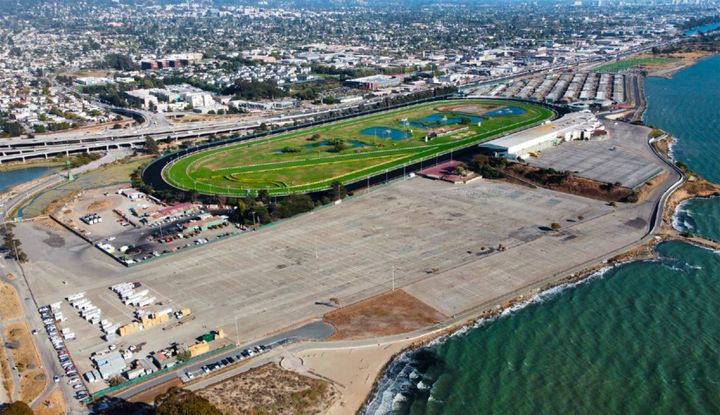
The project, planned for the former Oakland Army Base in West Oakland, would receive coal by train, store it and transfer it to ships for export.
The U.S. Department of Energy announced June 4 that it would provide up to $75 million in federal funding for the West Gateway Terminal Project, which the department says would expand U.S. coal-export capacity and support American mining and port jobs.
The project's developers plan to complete construction in time for the first cargo shipment by the end of 2028, according to the Energy Department.
President Donald Trump promoted the project in a June announcement, saying coal shipments could begin by summer 2028 and reach more than 12 million tons annually.
The Energy Department lists the terminal's initial capacity as 9 million to 10 million tons of coal per year.
"When Donald Trump made his announcement last June about the $75 million grant, I started paying attention and getting involved," Albany Climate Action Coalition member Lucinda Young said at Thursday's meeting.
Several dozen people attended the meeting.
The proposed terminal could bring mile-long coal trains through Albany, Berkeley, El Cerrito and other East Bay communities, according to campaign organizers.
The Albany City Council resolution identifies the Union Pacific rail line through Albany as the most direct and likely route for coal transport, and cites potential exposure to coal dust and fine particulate matter along the rail corridor.
It identifies nearby locations including Fielding Field, University Village, Ocean View Park, Ocean View Elementary School and residential areas along Cleveland Avenue.
A 2023 study of coal trains in the San Francisco Bay Area found that passing trains were associated with increased levels of fine particulate matter, known as PM2.5.
The resolution cites research measuring an average increase of 8.3 micrograms per cubic meter of PM2.5 near passing coal trains in Richmond. Fine particulate pollution can worsen heart and lung conditions, trigger asthma attacks and more.
The resolution also notes that coal dust can contain toxic metals, including arsenic, chromium and lead, and that dust from coal and petroleum coke — a carbon-rich byproduct of petroleum refining — can affect air quality, waterways and wildlife near the port.
Albany calls for stricter air quality rules
Albany's resolution, introduced by Councilmember Robin López, who was absent from Monday's meeting, calls on the Bay Area Air District to strengthen regulations governing coal and petcoke dust and ensure that any air permit for the proposed terminal adequately protects workers and residents.
The resolution also urges the air district to conduct a comprehensive, up-to-date environmental impact review under the California Environmental Quality Act before considering an air permit for the facility.
Albany's resolution follows similar opposition from other Bay Area cities.
Berkeley, Emeryville and Richmond have also adopted resolutions opposing coal transportation or handling, and calling for stricter rules, according to the city's resolution and the Sierra Club's account of the campaign.
About a half dozen speakers addressed the Albany City Council on Monday in support of the resolution, raising concerns about air quality and the environmental effects of transporting coal by rail to Oakland for overseas export.
The resolution also notes that Albany has opposed coal shipments through the East Bay for years.
In 2015, the City Council adopted a resolution opposing coal transportation through Albany and the East Bay. In 2016, Oakland adopted a coal-handling ordinance and a resolution applying the restrictions to the proposed terminal.
However, the project has continued amid years of legal disputes.
In 2018, a federal court ruled that Oakland had breached its development agreement with the terminal's backers by applying its coal restrictions to the project. The ruling was upheld on appeal in 2020.
In a separate dispute over the project's ground lease, a California appeals court in 2025 upheld a judgment finding that Oakland had breached the development agreement.
Those legal challenges have complicated efforts to block the terminal, even as environmental and community organizations have continued to oppose it.
New state law requires environmental review of coal terminals
Another development came Sept. 30, when Gov. Gavin Newsom signed Assembly Bill 40, the Community First Coal Review Act.
The law requires an environmental impact report before approval of a large-volume coal facility, including an assessment of potential pollution and measures to mitigate its effects.
The law applies to facilities designed to handle more than 5 million short tons of coal annually. It also requires additional environmental review under specified circumstances, including changes in the type or significant increases in the quantity of coal handled. The proposed West Oakland terminal would exceed that threshold.
"By signing AB 40, California makes it non-negotiable: if Donald Trump wants to send new coal into our communities, we get an honest, current, science-based look at what it will do to our air and our health," Assemblymember Mia Bonta said in a statement.
The law does not automatically prohibit the terminal, but it creates additional environmental review requirements before it can secure permits.
The Energy Department has identified Utah and Wyoming as sources of coal for the Oakland facility, with the potential for supplies from other western states.
The department says the project would support exports to countries including Japan, South Korea, Taiwan, Vietnam and Malaysia.
"Some people have said, 'Well, why bother with this? Going through all this trouble?' Well, the Bay Area Air District really pays attention to these resolutions, and we've got four now," Young said. "And hopefully there will be more."
Have questions for Albany Scanner, or want to share story tips? Here's how to reach us.