

Albany's new pool heater raises climate questions: Op-ed
"Where's the plan to electrify Albany's Aquatic Center?" asks Kathleen Rai in today's guest essay.
Editor's note: Albany Scanner publishes guest essays from community members on issues of concern. Today's piece is by Kathleen Rai, who is a licensed general contractor, professional engineer, LEED AP and parent.
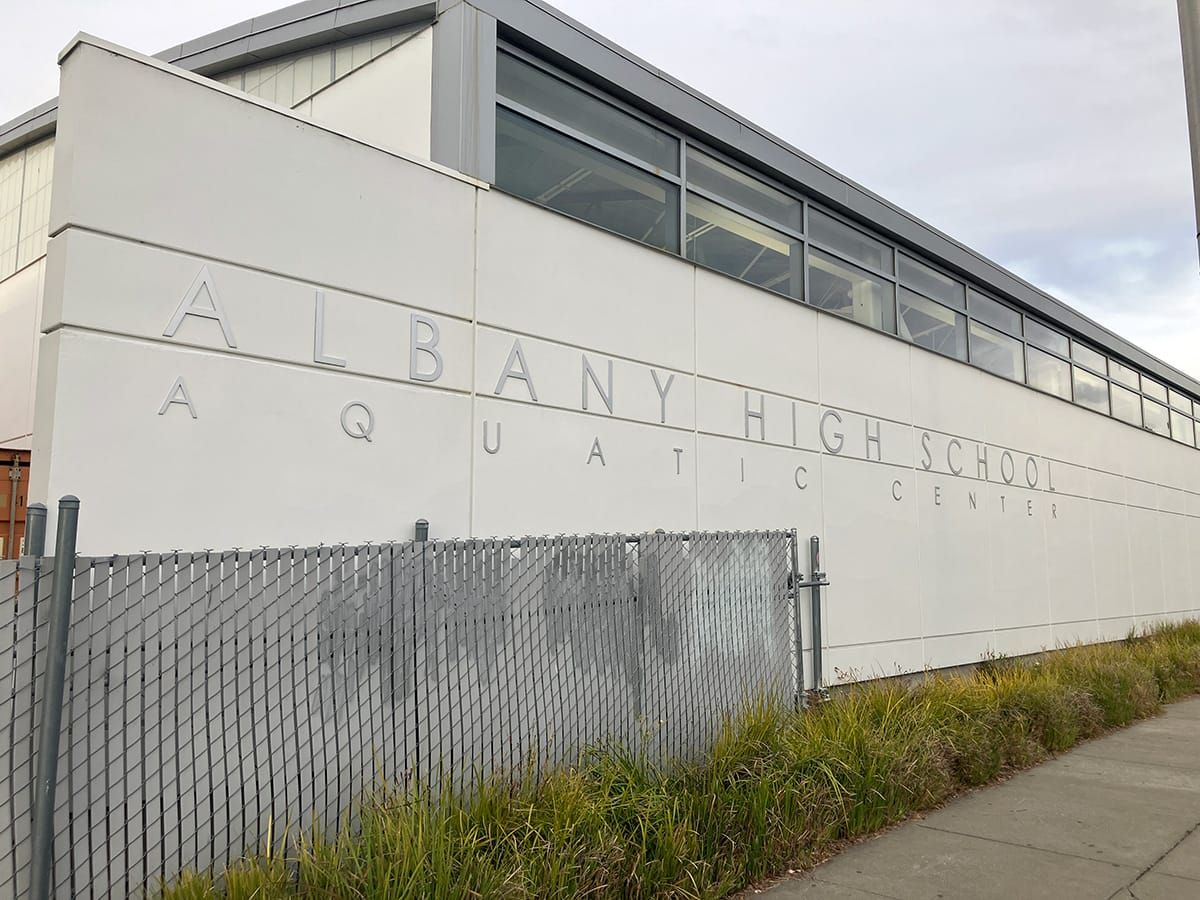
Last week, the Albany Unified School District went against its stated climate action goals and former school sustainability committee recommendations when it replaced a failed gas water heater at the Albany Aquatic Center with another gas heater. Here's why we need to be planning now for a clean, electricity-powered pool heater when the current one fails.
On Nov. 9, the Aquatic Center email list announced that the outdoor pool would be shutting down for a heater replacement. After a community member requested an update, Superintendent Sara Stone said it was an "emergency" replacement in an email.
Given that the school district had a written plan for upgrading to a heat pump in 2023, it's been three years already. How much longer will we be polluting our air with these fumes?
Gas appliances contribute to air pollution
Why care about how we heat the pool? Because gas appliances create noxious air pollution, such as nitrogen oxide emissions (NOx), that contribute to smog and fine particulate matter. This pollution can worsen asthma, increase the risk of heart and lung disease, and disproportionately impact communities already facing higher pollution levels.
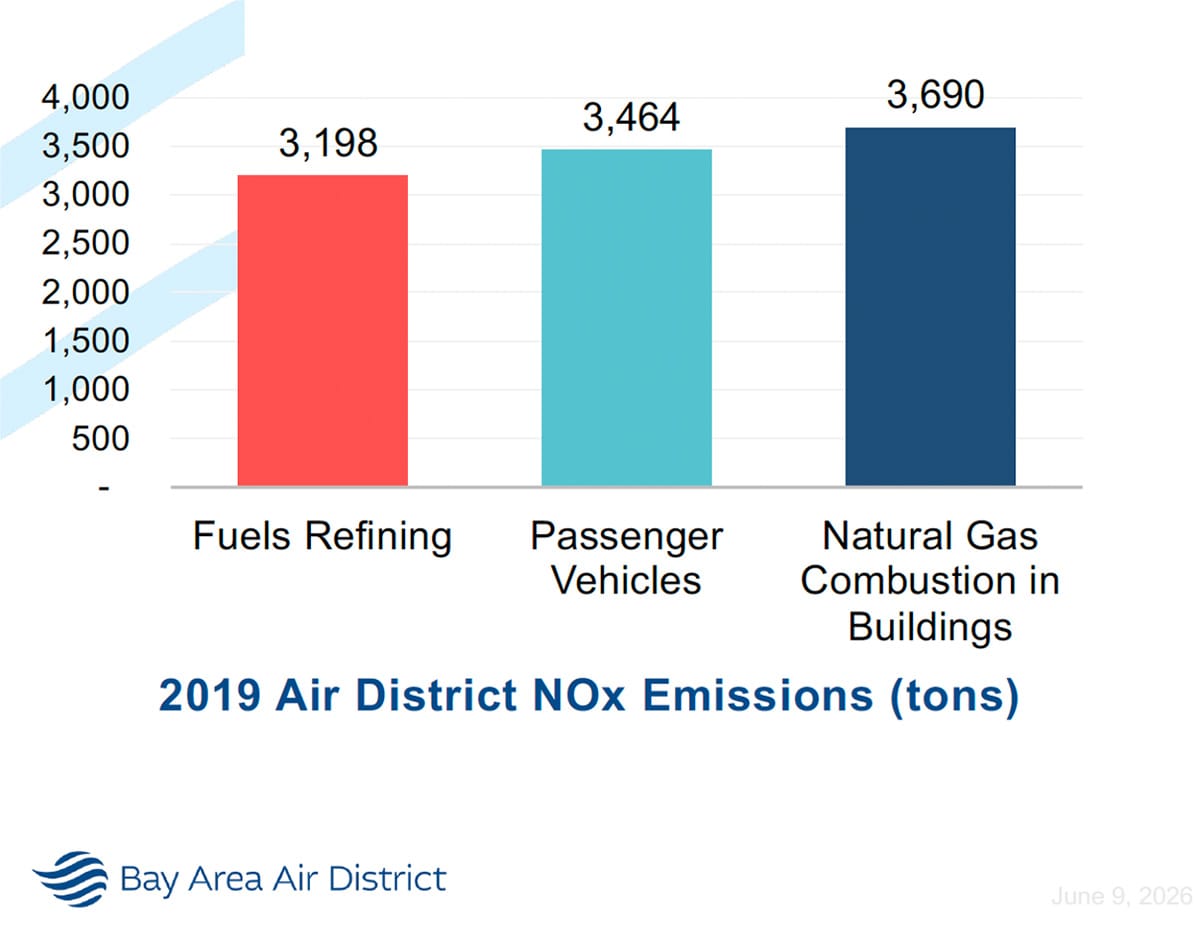
The Bay Area Air District has adopted new rules requiring certain gas-fired water heaters and furnaces to be replaced with zero-NOx alternatives when they reach the end of their useful lives. Requirements for certain residential water heaters begin in 2028, with commercial water heater requirements scheduled for 2033.
The district has not publicly provided specifications for the Aquatic Center's heating equipment. Based on equipment observed during installation, local green building experts estimate that the new outdoor pool heater has a capacity of approximately 2 million BTU per hour.
It's unclear whether the new commercial water heater requirements apply to this particular equipment. But the procurement cycles of school districts are long. So the time to plan for the next burned-out gas appliance is now.
Albany needs to act on its existing sustainability plans
On June 30, 2009 — more than 15 years ago — the Albany Pool Sustainability Committee made a presentation to the school board outlining a path to a profitable pool powered by renewable energy.
In 2023, the AUSD Environmental Action Plan for the whole school district was adopted. AUSD is not governed by the city's plan. We need to hold the school district accountable to following its own plan.
Page 7 of AUSD's plan states:
Action: Convert the Albany Aquatic Center (AAC) to non-fossil fuel operations.
Currently pool heating at AAC is gas fired. AUSD will need to determine a suitable electric heat pump configuration that supports water heating requirements while considering which efficiency measures are necessary to reduce the operating costs.
This should also be a factor in the cost/benefit analysis of on-site solar power generation.
The School Sustainability Committee, which was disbanded by the Board, included local experts as well as our current Mayor Peggy McQuaid, who counts herself among America's "Climate mayors."
A gas-to-gas replacement is insulting to everyone who provided unpaid consulting on the school district's facilities, including the disbanded Environmental Action Plan committee.
Without a plan for electrification, I am concerned that facilities management will continue with business as usual: emergency replacements rather than long-term planning.
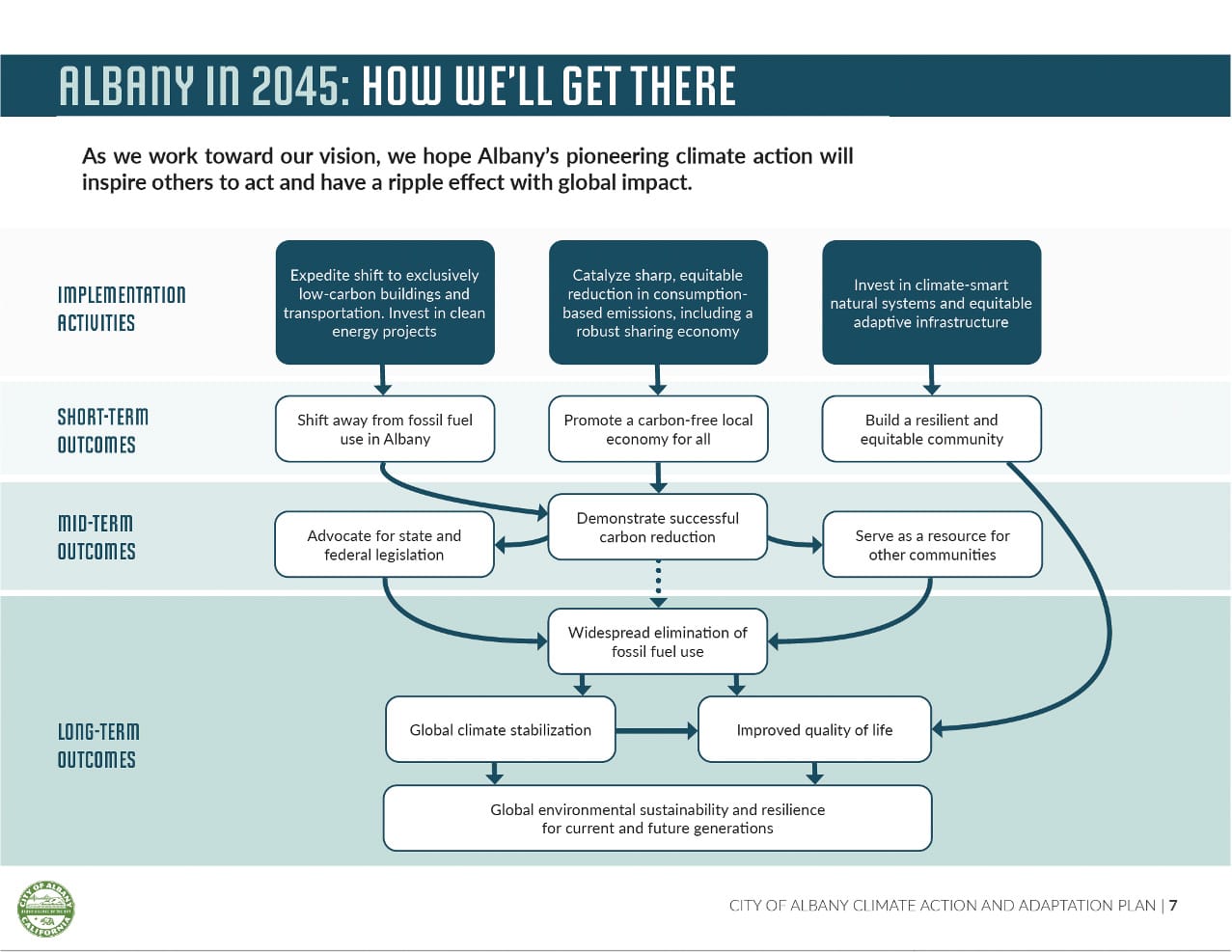
The city also has a Climate Action and Adaptation Plan, adopted in 2019, which includes goals around reducing fossil "natural" gas use in buildings. Although the school district operates independently, both plans point toward the same goal of reducing reliance on fossil fuels.

More transparency is needed on pool energy use
The school district has not publicly provided detailed information about the Aquatic Center's energy consumption or emissions.
California's Building Energy Benchmarking Program, established under AB 802, requires certain large buildings to report energy use annually. It's unclear whether the Aquatic Center meets the program's reporting requirements.
Regardless, Albany taxpayers deserve transparency. Making the facility's energy consumption and emissions data publicly available would help residents understand the environmental impact of pool operations and evaluate potential alternatives.
Heating a swimming pool with natural gas produces carbon dioxide emissions, but without confirmed equipment specifications and energy consumption data, we cannot calculate the Aquatic Center's actual emissions.
We need that information — and a plan.
Other cities have made the switch
Piedmont is one example of an all-electric public aquatic facility in California. A no-interest $750,000 loan from Ava Community Energy helped finance the pool's electrification, in addition to other funding sources.
Piedmont's system combines electric heat pumps, photovoltaic/thermal (PVT) panels and the clean grid. Although it cost more up front, a 25-year lifecycle analysis projected more than $1.8 million in energy cost savings.
The city of Mountain View also uses solar PV plus solar thermal to heat nearly 500,000 gallons at its Rengstorff Park Aquatics Center, which opened in 2025.
These examples show that other communities are already investing in cleaner pool heating technology.
Pool heating is a major cost for Albany taxpayers

With gas prices being so volatile, having electric-powered equipment is a way to have more stable rates with Ava Community Energy.
For those who aren't familiar, Ava is like the "Costco of clean energy." As a nonprofit public agency, it doesn't have to pay investor profits and can buy electricity wholesale in bulk, offering its Bright Choice service at a discount compared with PG&E rates. Its Renewable 100 option, which is 100% renewable, currently carries a slight premium.
Electrification may require a larger upfront investment, but the district should be evaluating long-term operating costs and potential savings rather than waiting for another emergency.
Tell the school board: Act on our existing sustainability plans!
We need the school district to take several steps now:
- Publish the Aquatic Center's heating equipment specifications, energy consumption and emissions data.
- Evaluate energy-saving measures, including pool covers. Pool covers can reduce energy use substantially, and if they aren't already in place, we can start that now.
- Develop a plan for replacing the gas heating equipment with clean, electricity-powered alternatives when the current equipment reaches the end of its useful life.
Commercial water heaters typically have a limited lifespan, and the district should be planning for the next replacement now rather than waiting for another failure.
No more excuses!
Let's start planning now.
To share your voice, please make a two-minute comment at the beginning of the next AUSD school board meeting. You can also email boardofed@ausdk12.org with comments.
When: Tuesday, Nov. 17
Where: Albany City Hall, 1000 San Pablo Ave. at Marin Avenue
5:45 p.m. Free pizza available
6-8 p.m. School board meeting
A generous community member has offered to pay for free childcare and pizza to make attending a school board meeting on a weeknight easier for working families.
If you want to join, please sign up so there will be enough pizza for everyone who wants to comment, and for their kids. Please include your children's ages and any allergies so the person hiring babysitters can arrange age-appropriate activities.
Have questions for Albany Scanner, or want to share story tips? Here's how to reach us.